
If you are wondering whether it is safe to live in a house with foundation problems, the honest answer is that it depends on how severe the damage is. Many homes with minor foundation issues remain perfectly livable while repairs are planned, but a foundation that has been neglected can put the safety of your home and your family at real risk. The key is knowing what stage your foundation is in, understanding the warning signs, and acting before small problems turn into structural emergencies.
If you are not sure about the extent of your foundation problems, EverDry Toledo’s recommendation is to schedule a professional inspection to determine the damage and possible solutions.
Common Signs of a Foundation Problem
Spotting trouble early gives you the best chance of avoiding costly repairs and serious safety concerns.
Visible Cracks in Walls or Floors

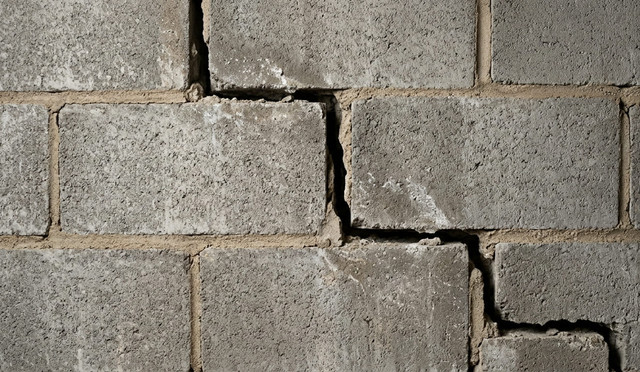
Watch for cracks appearing in your basement walls or floor. Thin hairline cracks are often harmless, but anything wider than about 1/8 inch, or cracks that run horizontally, may indicate significant foundation stress. Cracks that show up suddenly or spread quickly also deserve a professional look.
Water Seepage or Ongoing Dampness
Moisture working its way into your basement is a major warning sign. Water gradually weakens foundation materials and creates the conditions for mold and rotting wood. Damp spots, a musty smell, or standing water all suggest it is time to look at both waterproofing and foundation repair.

Sticking Doors and Windows
When your basement doors and windows become hard to open or no longer close cleanly, a shifting foundation may be the culprit. Beyond the inconvenience, this can affect insulation, energy bills, and home security.
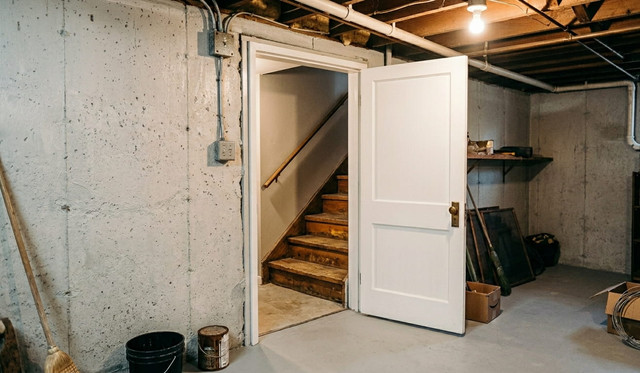
Sloping or Uneven Floors
A basement floor that feels tilted usually means that soil movement or water damage is destabilizing the foundation beneath, and the problem tends to worsen without attention.
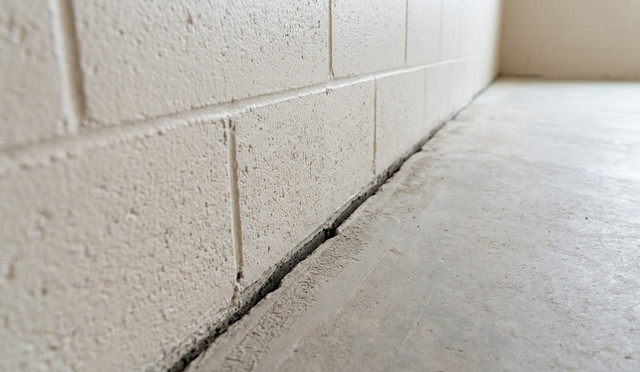
Bowed or Bulging Walls
Walls that curve inward signal heavy pressure from the soil outside pushing against your foundation. This is a serious structural issue that calls for prompt professional help.
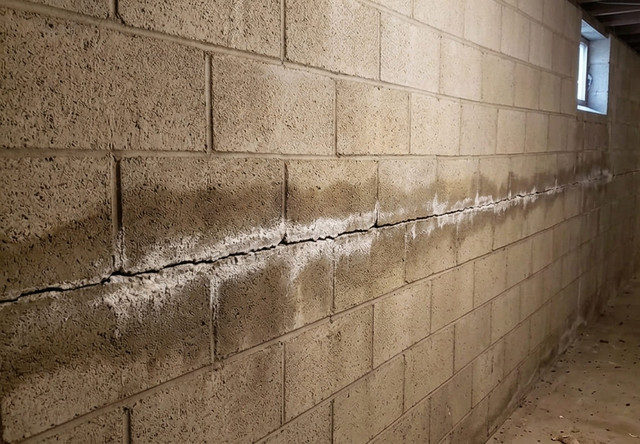
Gaps Where Walls Meet Ceilings
Cracks forming along the line where your ceiling joins the wall can result from a shifting foundation and uneven settlement.
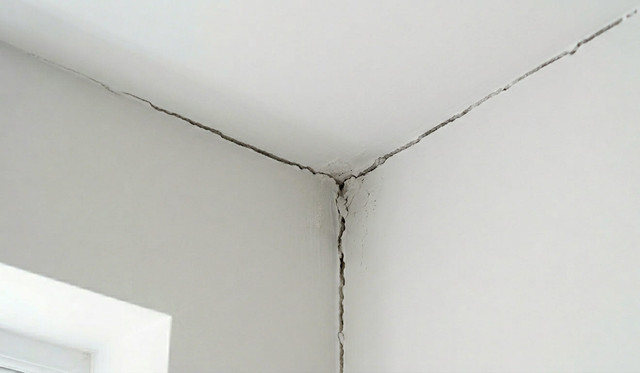
Cracks in Brick
Settlement and pressure from surrounding soil can produce diagonal stair-step cracks, vertical cracks, or horizontal cracks in brick walls.
Everdry Toledo offers foundation repair services built to stabilize, reinforce, and protect your home over the long term. You can schedule a free inspection to learn where your home stands. Our service area extends throughout Michigan, Ohio, and Indiana, and we have over 38 years of experience in the industry.
Stages of a Collapsing Foundation
Total collapse is rare, but it almost always begins with small, fixable problems.
1. Cracks in Your Slab Foundation
The first visible clue is often cracking in the home’s slab, ranging from hairline to wide enough to slip a coin into. These cracks signal movement from settling, shifting soil, or weak construction. Water then enters through them, weakening the concrete, corroding steel, and eroding the soil supporting the slab.
2. Soil Beneath the Home Shifts or Weakens
Clay soils swell when wet and shrink when dry, constantly pushing and pulling. Loose fill can settle unevenly, and poor drainage can wash soil away entirely. The result is empty voids beneath the slab, leaving sections of your foundation to sag or tilt.
3. Pressure on Key Structural Points
When part of the foundation drops, load-bearing elements like beams, joists, and walls lose their even support. Weight concentrates in the wrong places, beams begin to bow, interior walls separate, and doors and windows no longer close properly. Your home ends up carrying its load in ways it was never designed to handle.
4. Structural Components Begin to Fail
Wood joists may rot or snap, floorboards can soften or feel bouncy, steel reinforcement corrodes, and concrete starts to crumble. Once load-bearing parts fail, the structure can no longer properly support itself.
5. Collapse Becomes a Real Risk
Left alone, the combination of soil movement, water intrusion, overload, and material failure can lead to damage that cannot be reversed. This rarely means the whole house falls at once, but you might see one side dropping lower than the other, caved-in floors, detached walls, a collapsed crawl space, or a sagging roof.
Common Causes of Foundation Problems
Several factors can push a foundation toward failure.
Drainage Issues
When a home lacks gutters, downspouts dump water near the base of the house, and landscaping is not correct, the surrounding soil becomes oversaturated. Saturated soil expands and presses against the foundation, causing cracks and other issues.
Soil Conditions
In regions where wet and dry seasons alternate, expansive clay soils absorb water, swell, push upward, and then the foundation settles as they dry. This repeated movement is a frequent cause of cracking and damage.
Tree Roots
Roots growing beneath a foundation can crack pipes and contribute to further foundation damage.
Broken Pipes
Homes on slab foundations often have pipes running under the concrete. Leaks lead to standing water, crawl space moisture, and cracking. Plastic pipes are especially vulnerable.
Settling Foundation
Some settling is normal as a home ages, and minor hairline cracks after new construction are usually not a concern. Over time, though, the soil type and ongoing compression can lead to problematic sinking or shifting.
Natural Disasters
Earthquakes, flooding, and severe storms can move the ground below and compromise the foundation. Even minor tremors can cause cumulative damage in older homes.
What Happens If You Don’t Fix Your Foundation?
Ignoring foundation issues carries real consequences.
- Structural damage: As the foundation shifts, walls crack, floors go uneven, and doors and windows stop working, gradually throwing your whole home out of alignment.
- Reduced property value: Foundation problems surface during inspections, which can lower your sale price, while making it harder to find buyers.
- Pests and mold: Cracks let rodents and insects in, and trapped moisture encourages mold that is unhealthy to breathe.
- Expensive repairs: Damage compounds over time, so a delayed fix usually costs far more than an early one.
- Safety issues: If the foundation shifts too much, the home can become genuinely unsafe to occupy.
What To Do If You Have Foundation Problems
A professional foundation inspection is the best way to understand how serious your situation truly is. Once the assessment is complete and the problem is identified, the next step is hiring a professional like EverDry Toledo who specializes in foundation repair.
Professional Services vs. DIY
Because foundation types, damage levels, and materials vary so widely, this work calls for professional expertise. DIY attempts tend to deliver temporary fixes and carry real safety risks, so a licensed foundation expert is the safer route.
Everdry Toledo brings deep experience diagnosing and repairing wall cracks, bowing walls, and settlement, and offers a free inspection for homeowners in Michigan, Indiana, and Ohio.
Common Foundation Repair Methods
The best approach for your case will depend on the specifics of your problem. Here are some common foundation repair methods.
- Foundation piering systems
- Basement wall repair
- Crawl space supports
- Foam injection
- Foundation crack repair
Again, an inspector must verify the problem and recommend the best approach for your current issues, ensuring that your budget goes directly to the correct solution.
Foundation Repairs Costs
Pricing depends on what is wrong and what the fix requires. The type of foundation, the extent of the damage, the materials needed, and how easily crews can access the affected area all influence the final figure.
Other factors can add to the total as well. If the damage stems from an underlying problem such as poor drainage or a plumbing leak, that root cause often has to be corrected too, which adds to the scope. Permits, soil testing, and any landscaping or interior finishes that must be removed and restored can also affect what you pay.
Because the range is so wide, it is worth getting a clear, itemized estimate before any work begins.
Can You Live in a House During Foundation Repair?
In many cases, yes. It often comes down to the scope of the project. Extensive repairs that require disconnecting utilities may mean leaving temporarily, so check with your inspector and repair team.
How Long Does It Take to Repair a House With Foundation Problems?
Simple crack sealing can take a day, while major structural work may take several weeks. Excavation, pier installation, and underlying issues like leaks can extend the timeline, as can weather, landscaping, and permits. Requesting a professional inspection allows you to have an estimate of the timelines involved.
How to Prevent Foundation Issues
You can reduce your risk with a few consistent habits that keep water and pressure away from your foundation.
- Regular inspections: Every foundation faces constant pressure and moisture, so routine inspections catch small issues before they grow into expensive ones. We recommend getting your basement inspected by professionals at least once a year.
- Good drainage: Water around your home is unavoidable, but a drainage system that directs it away from the house keeps that water from doing damage.
- Watch out for grading issues: Even a slight slope toward your home sends rain and snowmelt at the foundation, so make sure the land directs water away from the building.
- Inspect and maintain your gutters: Clear, working gutters and downspouts carry roof water away from the foundation, while clogged or damaged ones let it pool where it causes harm.
- Tree and shrub placement: Keep trees and shrubs a healthy distance from the foundation so roots do not cause damage.
- Install basement waterproofing: A full home waterproofing system, including measures like exterior membranes and water diversion, offers the strongest long-term protection for your foundation.
Everdry Toledo offers a free 20-point basement inspection to help you find out whether your home is at risk for water damage and which solutions will serve you best.
What Is the Role of the Foundation in a Home?
A foundation sits between the building and the ground as the lowest part of the structure. Its job is to distribute the weight of the entire house into the soil, which means it must be strong enough to carry the full load above it. When it weakens, you may start seeing signs such as cracked walls, sinking floors, sticking doors, and, in the worst cases, collapse.
Frequently Asked Questions
More useful information for homeowners trying to understand if it is safe to live in a house with foundation problems.
Can a House Collapse From Foundation Issues?
Yes, though not overnight. Full collapse is rare, but partial failure is common, and it starts with small problems that could have been prevented, such as visible cracks, water seepage, sticking doors and windows, and bowed walls.
Should You Buy or Rent a House With Foundation Issues?
Severe foundation problems are both expensive to fix and a safety risk, since a badly damaged foundation can lead to collapse if ignored. If you proceed, use what you know to negotiate, and consider the fact that the home may not be inhabitable and move-in ready at the moment.
How Do You Determine How Serious the Damage Is?
A professional inspection is the only reliable way to know. A trained foundation specialist can tell the difference between harmless cosmetic cracking and movement that threatens your home’s structure, something that is difficult to judge on your own. During an assessment, the inspector looks at the size, direction, and pattern of any cracks, checks whether floors and walls are leveled, tests doors and windows for misalignment, and looks for signs of water intrusion or shifting soil.
From there, the inspector can identify the underlying cause, gauge how far the problem has progressed, and recommend the right repair approach.
Schedule Your FREE 20-Point Inspection
If your foundation is showing cracks, movement, or signs of instability, Everdry Toledo provides expert solutions designed to restore both safety and peace of mind. You can schedule a professional inspection today. Everdry Toledo serves Michigan, Ohio, and Indiana. You can also explore our full service area to confirm coverage near you.


